Posted on 12/15/2025 by Strongsville Center for Cosmetic & Implant Dentistry
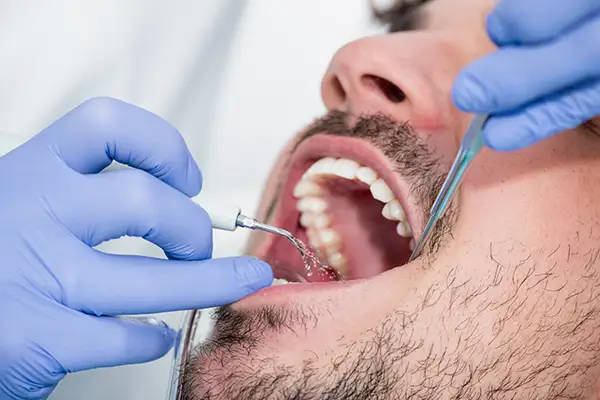
Ever feel like your mouth is a desert? We all know that dehydration makes you thirsty, but did you know it can also affect the health of your teeth and gums? Let's explore the connection between staying hydrated and keeping dental plaque at bay.
The Importance of Saliva
Saliva is much more than just spit! It plays a crucial role in maintaining a healthy mouth. Think of it as your mouth's natural cleaning agent. Saliva helps to:
•
Wash away food particles: After eating, tiny bits of food can get stuck in your teeth. Saliva helps to rinse these away, preventing them from becoming fuel for bacteria.
•
Neutralize acids: Bacteria in your mouth produce acids that can erode tooth enamel. Saliva contains buffers that neutralize these acids, protecting your teeth.
•
Remineralize teeth: Saliva contains minerals like calcium and phosphate, which help to repair minor damage to tooth enamel.
•
Fight bacteria: Saliva contains antibodies and enzymes that help to control the growth of harmful bacteria in your mouth.
Dehydration and Saliva Production
When you're dehydrated, your body prioritizes essential functions like keeping your heart pumping and your brain working. Saliva production is considered less critical, so your body reduces the amount of saliva it produces. This leads to a dry mouth, also known as xerostomia.
The Link Between Dry Mouth and Plaque
With less saliva to perform its cleaning and protective functions, the environment in your mouth changes. Here's how dehydration and dry mouth can contribute to plaque buildup:
•
Reduced Cleaning Action: With less saliva to wash away food particles, they linger longer on your teeth, providing more fuel for bacteria.
•
Increased Acidity: Without sufficient saliva to neutralize acids, the pH in your mouth drops, creating a more acidic environment that favors the growth of acid-producing bacteria.
•
Weakened Remineralization: Less saliva means fewer minerals available to repair enamel damage, making your teeth more vulnerable to decay.
•
Bacterial Overgrowth: The reduction in saliva's antibacterial properties allows harmful bacteria to thrive, increasing the risk of plaque formation.
Preventing Dehydration and Protecting Your Teeth
The good news is that preventing dehydration is a simple and effective way to protect your teeth. Here are a few tips:
•
Drink Plenty of Water: Make water your primary beverage throughout the day. Carry a water bottle with you and sip on it regularly.
•
Eat Hydrating Foods: Fruits and vegetables like watermelon, cucumbers, and celery have high water content and can contribute to your overall hydration.
•
Avoid Sugary Drinks: Sugary drinks can actually dehydrate you and provide fuel for bacteria.
•
Limit Caffeine and Alcohol: Caffeine and alcohol can have a diuretic effect, meaning they increase urination and can lead to dehydration.
•
Chew Sugar-Free Gum: Chewing sugar-free gum can stimulate saliva production.
Staying hydrated is essential for overall health, and it plays a vital role in maintaining a healthy mouth. By drinking enough water and following these simple tips, you can help keep your teeth clean, strong, and free from plaque.
About Us | Dentist Strongsville OH Learn about Strongsville Center for Cosmetic & Implant Dentistry, led by Dr. Richard Weiser. More about our esthetics, technology and doctor here! Strongsville Center for Cosmetic & Implant Dentistry, 11925 Pearl Rd #206, Strongsville, OH 44136 ~ (440) 580-1028 ~ drweiser.com ~ 10/8/2026 ~ Page Keywords: dentist Strongsville OH ~



 Ever feel like your mouth is a desert? We all know that dehydration makes you thirsty, but did you know it can also affect the health of your teeth and gums? Let's explore the connection between staying hydrated and keeping dental plaque at bay.