Special Considerations When You Have Dental Veneers
Posted on 4/1/2026 by Strongsville Center for Cosmetic & Implant Dentistry |
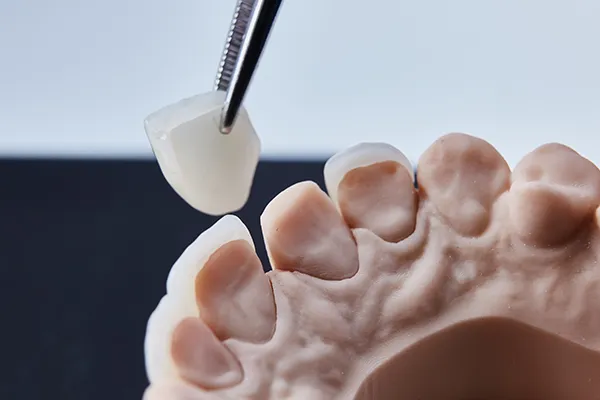 Thinking about getting dental veneers or already have them? That's fantastic! Dental veneers are a popular way to enhance your smile and correct imperfections. They're thin, custom-made shells that cover the front surface of your teeth, giving you a beautiful and natural-looking smile. This form of restoration dentistry can dramatically improve your confidence. However, just like your natural teeth, veneers require special attention to keep them looking their best and lasting for years to come. Let's explore some key things to consider. Thinking about getting dental veneers or already have them? That's fantastic! Dental veneers are a popular way to enhance your smile and correct imperfections. They're thin, custom-made shells that cover the front surface of your teeth, giving you a beautiful and natural-looking smile. This form of restoration dentistry can dramatically improve your confidence. However, just like your natural teeth, veneers require special attention to keep them looking their best and lasting for years to come. Let's explore some key things to consider.
Daily Oral Care is Essential
The foundation of a healthy smile, whether you have veneers or not, is excellent oral care. Brushing twice a day with a soft-bristled toothbrush is a must. Be gentle, especially around the gumline, to avoid damaging the veneers or causing gum recession. Flossing daily is equally important to remove plaque and food particles from between your teeth and around the edges of your veneers. Consider using an interdental brush for those hard-to-reach spots.
Choosing the Right Products
When you have dental veneers, some dental products are better than others. Non-abrasive toothpaste is key. Abrasive toothpaste can scratch the surface of your veneers, dulling their shine over time. Look for toothpaste specifically formulated for veneers or sensitive teeth. Also, avoid using whitening toothpaste, as they can sometimes alter the color of the bonding material that holds your veneers in place.
Mouthwash can be a beneficial addition to your oral hygiene routine, but choose wisely. Alcohol-based mouthwashes can weaken the bonding material of your veneers over time. Opt for an alcohol-free mouthwash that is also neutral in pH.
Diet and Lifestyle Choices
What you eat and drink can impact the appearance and longevity of your veneers. Certain foods and beverages can stain or damage them. Limit your consumption of coffee, tea, red wine, and berries, as these are known to cause staining. Highly acidic foods and drinks, like citrus fruits and sodas, can erode the bonding material.
Avoid using your teeth as tools to open packages or bite on hard objects like ice or pencils. These habits can chip or crack your veneers. If you grind your teeth at night (bruxism), talk to your dentist about getting a night guard to protect your veneers from excessive pressure.
Regular Dental Checkups
Regular visits to your dentist are even more important when you have veneers. Your dentist can assess the condition of your veneers, check for any signs of damage or wear, and professionally clean them. They can also detect and address any underlying dental problems that could affect the longevity of your veneers, such as gum disease or cavities. Your dentist can advise you on any specific oral care techniques that are best for your individual situation.
Dealing with Sensitivity
Some people experience increased tooth sensitivity after getting dental veneers. This is usually temporary and resolves on its own. Using toothpaste designed for sensitive teeth can help alleviate discomfort. If sensitivity persists, talk to your dentist.
Taking good care of your dental veneers will ensure that they last for many years and continue to enhance your smile. By following these guidelines and maintaining a close relationship with your dentist, you can enjoy the confidence and beauty that veneers provide. Remember, a little extra care goes a long way!
|
|