Little Known Reasons You May Have Bad Breath
Posted on 6/1/2026 by Strongsville Center for Cosmetic & Implant Dentistry |
 Let's face it, no one wants to be known for having bad breath. We've all been there – a quick inhale to check our own breath before a meeting or a conversation. While many of us think bad breath is just a result of that garlicky lunch, the truth is that the causes can be much more diverse. It's more than just an inconvenience; persistent bad breath, also known as halitosis, can sometimes signal underlying issues. Let's explore some of the less common culprits behind this often embarrassing problem. Let's face it, no one wants to be known for having bad breath. We've all been there – a quick inhale to check our own breath before a meeting or a conversation. While many of us think bad breath is just a result of that garlicky lunch, the truth is that the causes can be much more diverse. It's more than just an inconvenience; persistent bad breath, also known as halitosis, can sometimes signal underlying issues. Let's explore some of the less common culprits behind this often embarrassing problem.
The Sneaky Sinus Connection
Did you know your sinuses could be contributing to bad breath? Postnasal drip, where mucus constantly trickles down the back of your throat, creates a breeding ground for bacteria. This bacteria breaks down proteins in the mucus, releasing smelly compounds. Sinus infections and allergies can worsen postnasal drip, leading to increased bad breath. If you frequently experience sinus issues, addressing those problems can significantly improve your breath.
Dry Mouth's Deceptive Role
Saliva is your mouth's natural cleanser. It washes away food particles and neutralizes acids produced by bacteria. When you don't have enough saliva, a condition called dry mouth, these particles and acids linger, leading to bad breath. Dry mouth can be caused by medications, certain medical conditions, or even just not drinking enough water. Sucking on sugar-free candies or chewing sugar-free gum can stimulate saliva production and help combat dry mouth.
The Impact of Diet Beyond Garlic and Onions
While garlic and onions are obvious offenders, other dietary factors can contribute to bad breath. Diets high in protein and low in carbohydrates can sometimes lead to the production of ketones, which can be released in your breath and have a distinct, unpleasant odor. Similarly, crash dieting or fasting can also result in ketone production. A balanced diet is key, not only for your overall health, but also for keeping your breath fresh.
Hidden Havens: Tongue Bacteria
The tongue, especially the back portion, is a prime location for bacteria to accumulate. The rough surface of the tongue provides plenty of nooks and crannies for bacteria to hide and thrive. Simply brushing your teeth isn't enough; using a tongue scraper or brush daily is essential for removing this bacterial buildup and freshening your breath.
When Oral Care Isn't Enough: Systemic Conditions
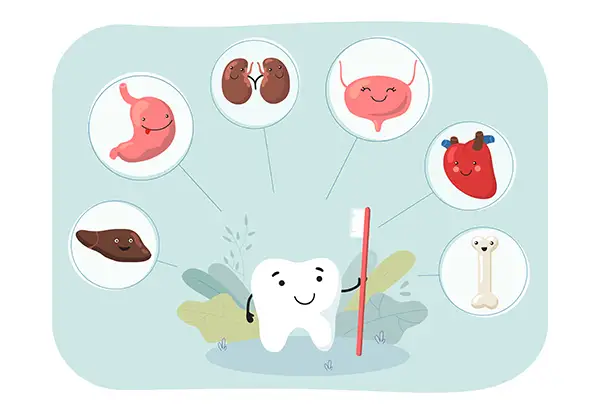
In some cases, persistent bad breath can be a sign of an underlying medical condition. Conditions like kidney disease, liver disease, and diabetes can sometimes manifest with distinct breath odors. If you've ruled out other causes and your bad breath persists despite good oral care, it's important to consult with your primary care physician to explore potential systemic issues.
The Role of Restoration Dentistry
Sometimes, older dental restorations like fillings or crowns can develop microscopic cracks or leaks. These imperfections create pockets where bacteria can accumulate, leading to bad breath. If you have older restorations, your dentist can evaluate their integrity and determine if they need to be replaced to eliminate these bacterial havens. Proper oral care and regular dental check-ups are vital to keeping your mouth healthy. Maintaining good oral hygiene is the cornerstone of preventing bad breath. This includes regular brushing, flossing, and professional dental cleanings. If you're concerned about bad breath, talk to your dentist. They can help identify the cause and recommend the best course of action for fresh, confident breath.
|
|