Am I A Candidate for Dental Implants?
Strongsville, OH
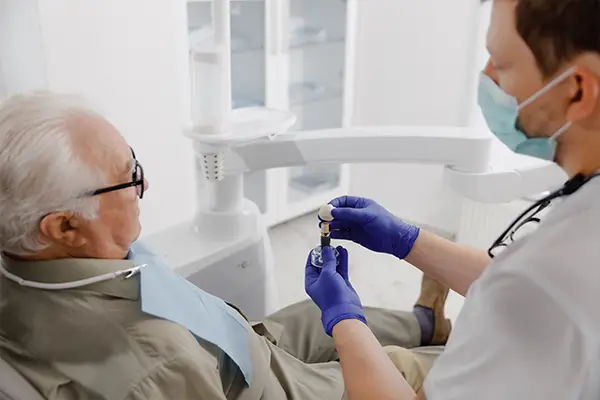 When the dentist mentions dental implants, many patients assume the treatment is either available to them or it isn't, with no middle ground. In reality, candidacy exists on a spectrum. Some patients are ready for surgery the moment they walk through the door at Strongsville Center for Cosmetic & Implant Dentistry, while others need a few preliminary steps before their mouth is prepared to support an implant long-term. When the dentist mentions dental implants, many patients assume the treatment is either available to them or it isn't, with no middle ground. In reality, candidacy exists on a spectrum. Some patients are ready for surgery the moment they walk through the door at Strongsville Center for Cosmetic & Implant Dentistry, while others need a few preliminary steps before their mouth is prepared to support an implant long-term.
The Clinical Picture: What We Look At First
Before recommending dental implants, we examine three interconnected systems: the jawbone, the gum tissue, and your general health history. The jawbone needs enough height, width, and density to hold an implant securely once it fuses with the surrounding bone. Gum tissue needs to be free of active infection, since inflamed or receding gums can compromise healing.
Finally, we review medical history and current medications, because certain health conditions and habits can slow the body's ability to heal around a new implant:
| • |
Jawbone height, width, and density
|
| • |
Gum tissue health and absence of active infection
|
| • |
Managed chronic conditions, including diabetes
|
| • |
Medication history, including blood thinners and bone-related medications
|
| • |
Tobacco and alcohol habits |
None of these factors are assessed in isolation. A patient with slightly reduced bone density but excellent gum health and no complicating medical history may still be an excellent candidate, while a patient with adequate bone but uncontrolled gum disease may need treatment first.
Signs You May Already Be A Strong Candidate
Many patients are surprised to learn they already meet the criteria for implant placement. If you have healthy, pink gum tissue, brush and floss consistently, don't smoke, and have a jawbone that hasn't experienced significant deterioration, you're likely in a strong position to move forward. Adults of nearly any age can qualify, provided their jawbone has finished developing, which typically occurs by the late teens. Older adults are frequently excellent candidates as well, since age alone does not disqualify someone from receiving dental implants.
Situations That May Require Extra Steps
Some circumstances call for additional preparation rather than an outright "no." Patients who have worn dentures for many years often experience bone resorption in the jaw, since the bone that once supported natural tooth roots gradually shrinks without that stimulation. A bone graft can rebuild the missing structure, giving the implant a stable foundation. Similarly, patients with gum disease usually need periodontal treatment first to eliminate infection and allow tissue to heal before an implant is placed. Chronic conditions like diabetes don't automatically rule someone out, but well-managed blood sugar levels are important for predictable healing.
Why A Consultation Matters More Than Guesswork
It's difficult to accurately assess your own candidacy without a professional exam. Bone density, in particular, isn't something you can judge by look or feel, which is why imaging plays such a central role in the process. A panoramic X-ray or CBCT scan gives us a detailed, three-dimensional view of your jaw, including bone volume and the location of nerves and sinus cavities. This imaging removes the guesswork and allows for a treatment plan built around your specific anatomy rather than general assumptions.
What Happens If You're Not Quite Ready Yet
If your initial exam reveals a few obstacles, that doesn't mean implants are off the table. Preparatory treatments like bone grafting, gum grafting, or periodontal therapy are common and often straightforward. Many patients complete these steps and move on to successful implant placement within several months. Think of this stage as building the right foundation rather than a setback; it simply means your treatment plan includes an extra phase before the implant itself is placed.
Different Needs Call For Different Solutions
Candidacy also depends somewhat on what you need replaced. A single missing tooth typically requires less bone volume than a full arch replacement, since the surrounding teeth and bone help share the load. Patients missing several teeth or replacing an entire arch may need a more thorough evaluation, since a larger restoration places different demands on the jawbone and requires more comprehensive planning. Whatever your situation, the underlying candidacy factors, adequate bone, healthy gums, and manageable health conditions, remain the same starting point.
For patients replacing a single tooth, we often have more flexibility, since a smaller implant footprint places less demand on surrounding bone. Multiple tooth replacement introduces additional planning around spacing and how each implant will support its restoration once healing is complete. Full arch solutions involve strategically placing several implants across the jaw to support an entire row of replacement teeth, which usually calls for more detailed imaging and a longer planning phase. None of these differences change the fundamental building blocks of candidacy, but they do shape how thoroughly we need to map out your bone structure before moving forward.
Daily Habits That Influence Long-Term Success
Candidacy isn't only about your condition on exam day; it also reflects your daily habits going forward. Patients who commit to brushing twice a day, flossing regularly, and attending routine dental visits tend to have significantly better long-term outcomes with their implants.
Tobacco use is one of the most significant factors working against successful healing, since it restricts blood flow to the gum tissue and slows the body's ability to fuse the implant with the jawbone. Patients who are willing to quit smoking, or who don't smoke at all, put themselves in a much stronger position both before and after treatment. Limiting alcohol consumption and managing teeth grinding, if present, also support a more predictable healing process.
Take The First Step Toward Finding Out
The only way to know for certain whether you're a candidate for dental implants is through a hands-on evaluation with imaging and a review of your health history. Guessing based on age, how long you've been missing teeth, or stories from friends and family can lead to inaccurate assumptions in either direction. Schedule a consultation with The Strongsville Center for Cosmetic & Implant Dentistry to get a clear, personalized answer about your candidacy and, if needed, a straightforward plan for the steps that come before your implant is placed. Call (440) 580-1028 today to set up your exam and start moving toward a stable, functional smile.
|