
Dental Implant Placement
Strongsville, OH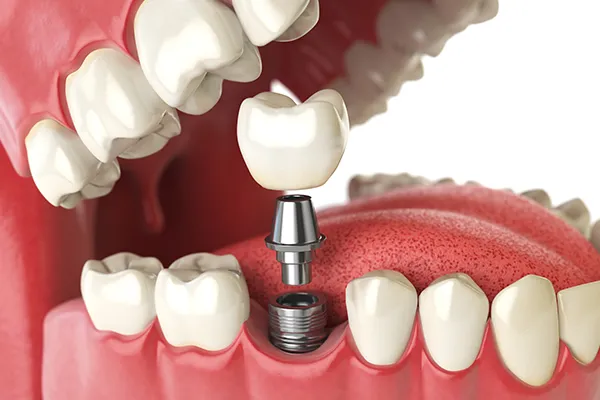
Losing a tooth affects more than appearance. It changes how a person bites, alters the formation of certain sounds, and over time can affect surrounding bone and nearby teeth in ways that are not always immediately visible. Dental implants address these concerns at the source by replacing the tooth's foundation rather than just its visible surface. For patients considering dental implant treatment with The Strongsville Center for Cosmetic & Implant Dentistry learning the full process from initial evaluation through final restoration helps set realistic expectations and supports informed decision-making before treatment begins. What Sets Dental Implants ApartUnlike removable dentures or traditional dental bridges, implants are placed directly into the jawbone. A small titanium post serves as an artificial root. Once it bonds to the surrounding bone through a natural healing process called osseointegration, it creates a stable, long-term anchor for the restoration placed on top. That structural integration is what gives implants their strength and allows them to function much like natural teeth. Because the implant is anchored in bone, it also helps preserve jawbone density over time. When a tooth is lost, the bone in that area no longer receives the mechanical stimulation it needs and can begin to resorb. An implant reintroduces that stimulation, helping maintain the bone structure that supports neighboring teeth and the natural contour of the face — benefits that no other replacement option provides in quite the same way. Evaluation and CandidacyA thorough evaluation is always the starting point. During the consultation, the dentist assesses gum health, the condition of any remaining teeth, and the density of the jawbone. Digital imaging provides a detailed view of the underlying bone structure and helps identify the most appropriate placement location and angle for the implant post. Patients with active gum disease will need that condition treated before implant placement can proceed. Those with low bone volume may be candidates for a bone grafting procedure to build adequate support in the area. Although grafting adds time to the overall treatment timeline, it creates the solid foundation the implant needs to integrate successfully and remain stable over the long term. General health factors also matter. Conditions such as uncontrolled diabetes can affect how the body heals, and tobacco use is associated with reduced implant success rates. Discussing these factors openly during the consultation allows the treatment team to plan appropriately and address any concerns before moving forward with placement. The Implant Placement ProcedureOnce all preparatory steps are complete, the placement appointment is scheduled. The procedure is performed under local anesthesia to keep patients comfortable throughout. A small incision is made in the gum tissue to access the jawbone, and the implant post is precisely positioned at the predetermined site. The incision is then closed and the healing process begins. Over the months that follow, the bone gradually adheres to the surface of the implant, creating the strong integrated foundation the final restoration depends on. This phase cannot be accelerated. The long-term durability of the implant is directly tied to how completely it integrates with the surrounding bone during this period. Most patients return to normal daily routines within a day or two following surgery. Mild swelling and tenderness around the site are common during the first few days and typically resolve on their own. Following post-operative care instructions — including eating softer foods and avoiding unnecessary pressure on the site — helps support a smoother recovery and reduces the risk of complications. Abutments, Impressions, and the Final CrownAfter the implant has fully integrated, the next phase of treatment begins. A small connector piece called an abutment is attached to the top of the implant. The abutment serves as the link between the implant and the crown — the visible, tooth-shaped restoration that sits above the gumline and makes contact with opposing teeth during chewing. Impressions or digital scans of the mouth are taken so the crown can be fabricated to match the size, shape, and shade of the surrounding teeth. When the crown is placed, it should blend naturally into the smile and function comfortably without placing excessive force on adjacent teeth. For patients replacing a single missing tooth, this approach restores full chewing function without requiring modification to neighboring teeth — a meaningful advantage compared to a traditional bridge. Each implant stands independently, which also simplifies daily maintenance. Patients care for the implant crown the same way they would a natural tooth: brushing, flossing, and attending routine professional cleanings at The Strongsville Center for Cosmetic & Implant Dentistry. Long-Term Care and Realistic ExpectationsDental implants are built for long-term use. The implant post, once fully integrated, is designed to remain stable for many years with consistent upkeep and regular professional monitoring. The crown may show wear over time and could eventually need to be replaced, but the implant itself typically continues to provide reliable support well beyond that point. Daily hygiene habits make a significant difference in long-term outcomes. Brushing twice a day, using floss or an interdental brush around the implant site, and keeping up with professional cleanings help protect the gum tissue and bone surrounding the implant. Peri-implantitis — an inflammatory condition affecting the tissue around an implant — is among the more common causes of implant complications and is strongly associated with insufficient oral hygiene over time. Routine dental visits allow the treatment team to monitor the implant and identify any developing concerns before they progress. Bite changes, habitual clenching or teeth grinding, and gum recession are all factors that can affect implant health. Addressing these issues early, rather than waiting until they become more significant, consistently leads to better long-term outcomes. Schedule Your Implant Consultation in Strongsville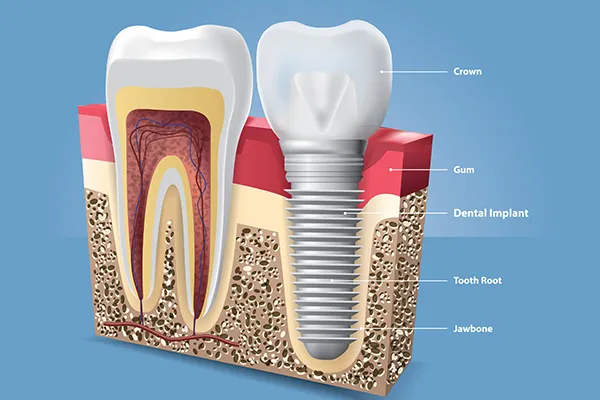
Replacing a missing tooth with a dental implant is one of the most durable, functionally complete options available. From preserving bone health to restoring comfortable chewing function, the benefits extend well beyond what the eye can see. The process requires time and a commitment to consistent care, but patients who follow through often find that the final result feels and functions remarkably close to a natural tooth. If you are missing one or more teeth and want to find out whether dental implants are the right option for your situation, our team is ready to help. Contact The Strongsville Center for Cosmetic & Implant Dentistry dental office today at (440) 580-1028 to schedule a consultation and take the next step toward a complete, healthy smile. |

Contact Information11925 Pearl Rd #206 Strongsville, OH 44136-3343 (440) 580-1028 info@drweiser.com Follow Us |
