
Multiple Tooth Implant
Strongsville, OH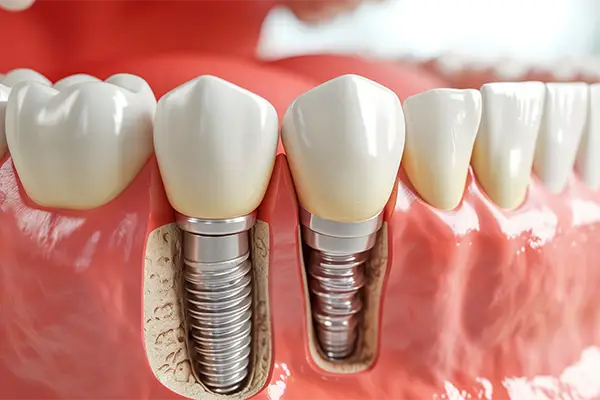 Multiple tooth implants are widely regarded as one of the most effective options available for patients who have lost more than one tooth. They restore full function, preserve bone health, and deliver results that closely resemble natural teeth. Still, patients frequently wonder whether they personally qualify — and that is a reasonable question. Candidacy is not based on a single factor. It involves a careful look at several elements of a patient's health, anatomy, and treatment history. Multiple tooth implants are widely regarded as one of the most effective options available for patients who have lost more than one tooth. They restore full function, preserve bone health, and deliver results that closely resemble natural teeth. Still, patients frequently wonder whether they personally qualify — and that is a reasonable question. Candidacy is not based on a single factor. It involves a careful look at several elements of a patient's health, anatomy, and treatment history.The encouraging reality is that the majority of patients at Strongsville Center for Cosmetic & Implant Dentistry who want multiple tooth implants are candidates for treatment, and many who initially have concerns about eligibility find that preparatory procedures can address the obstacles standing in the way. General Health ConsiderationsOverall physical health plays a role in evaluating implant candidacy. Implant placement is a surgical procedure, and the healing process depends on the body's ability to respond appropriately. Conditions that affect immune function or healing — such as uncontrolled diabetes or autoimmune disorders — can influence how well osseointegration proceeds. This does not mean patients with medical conditions are automatically excluded from treatment. In many cases, once a systemic condition is well-managed, implant outcomes are comparable to those of otherwise healthy patients. Certain medications, including long-term corticosteroids and some medications used to treat osteoporosis, may also require consideration. A thorough review of your current medications and health history is part of every implant evaluation, and open communication with both your dental and medical providers helps ensure the most accurate picture of your candidacy. The Importance of Jawbone VolumeAdequate bone density and volume at the implant sites is one of the more significant clinical factors in determining candidacy. Each implant post needs sufficient surrounding bone to integrate securely. When bone volume is limited — whether due to the natural process of resorption following tooth loss, previous periodontal disease, or prior extractions — placement may not be immediately possible. The good news is that bone deficiencies can often be corrected through bone grafting. Grafting procedures use bone material to rebuild the structure in areas where resorption has occurred, creating the foundation needed for successful implant placement. Sinus lifts address bone loss in the upper posterior jaw, while ridge augmentation procedures restore volume along the ridge of the arch. These preparatory steps add time to the overall process but significantly broaden the number of patients who are ultimately good candidates. Advances in imaging technology, including cone beam CT scans, give clinicians a precise, three-dimensional view of the available bone before any treatment decisions are finalized. This level of detail means fewer surprises during treatment and better planning from the start. Gum Health and Periodontal DiseaseHealthy gum tissue is a prerequisite for implant placement. Active periodontal disease — infection involving the gums and supporting bone structures — must be treated and resolved before implants can be considered. Placing implants in the presence of active infection puts the long-term success of the treatment at risk, as the bacteria responsible for periodontal disease can affect the tissue surrounding the implant posts in the same way. Patients with a history of periodontal disease are not automatically disqualified from receiving implants. However, they may require more thorough preparation and a more structured maintenance schedule following treatment to minimize the risk of peri-implant complications. Managing the health of the gum tissue before, during, and after implant treatment is an essential part of protecting the long-term investment. Lifestyle Factors That Affect CandidacyCertain lifestyle habits can influence whether a patient is a good implant candidate and what kind of preparation or monitoring may be needed. Tobacco use — particularly smoking — significantly impairs the healing process and reduces the rate of successful osseointegration. Patients who smoke are counseled about the increased risks, and many dental teams request that patients commit to cessation before and during the healing period. Teeth grinding, or bruxism, is another factor worth evaluating. The forces generated during teeth grinding can place excessive load on implant restorations, especially during the initial healing phase. Patients who grind their teeth may be fitted with a nightguard to distribute those forces and protect the implants during sleep. Age and TimingDental implants are not typically placed in patients whose jaws are still developing, which means teenagers and adolescents are generally not candidates until skeletal development is complete. For adult patients, there is no upper age limit. Older patients in good health routinely undergo successful implant treatment. The timing of treatment relative to tooth loss also matters. The sooner a patient pursues evaluation after losing teeth, the more likely they are to have adequate bone volume available. This does not mean patients who lost teeth years ago cannot proceed — it simply means that additional preparation may be required. What the Evaluation InvolvesA candidacy evaluation for multiple tooth implants typically includes a clinical examination, digital X-rays, and a cone beam CT scan to assess bone quality and volume. Medical history, current medications, and any relevant dental history are reviewed. From there, a complete treatment plan is developed that addresses all aspects of your care — including any preparatory steps — in a clear, logical sequence. Patients often find the evaluation process reassuring. It replaces uncertainty with specific information: what your bone looks like, whether any preparatory treatment is needed, what the timeline would involve, and what the finished result can realistically achieve. Find Out if Dental Implants Are Right for YouDetermining candidacy is a conversation, not a conclusion drawn from a checklist. At Strongsville Center for Cosmetic & Implant Dentistry, we take the time to evaluate every relevant factor and discuss the findings with you in plain terms. Whether you are an obvious candidate for multiple tooth implants or someone who needs preparatory work before treatment can begin, we will map out a clear path forward. Call us today at (440) 580-1028 to schedule your evaluation. |

Contact Information11925 Pearl Rd #206 Strongsville, OH 44136-3343 (440) 580-1028 info@drweiser.com Follow Us |
