Single Tooth Implant
Strongsville, OH
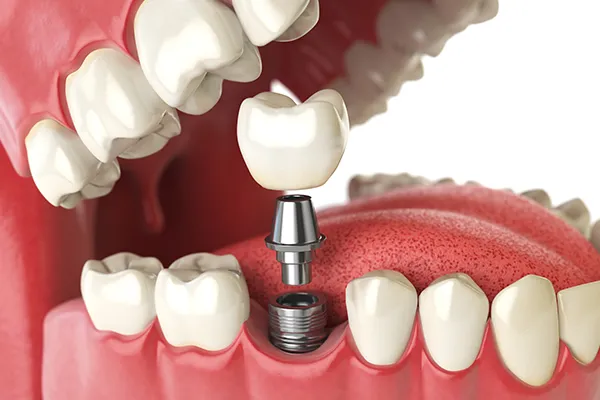 A single tooth implant is one of the most reliable ways to replace a missing tooth, but it is not automatically the right fit for every patient. Whether you are a good candidate depends on a combination of factors, including bone health, gum condition, overall medical history, and daily habits. Understanding these factors ahead of time can help you have a more informed conversation at Strongsville Center for Cosmetic & Implant Dentistry, about whether implant treatment makes sense for your situation. A single tooth implant is one of the most reliable ways to replace a missing tooth, but it is not automatically the right fit for every patient. Whether you are a good candidate depends on a combination of factors, including bone health, gum condition, overall medical history, and daily habits. Understanding these factors ahead of time can help you have a more informed conversation at Strongsville Center for Cosmetic & Implant Dentistry, about whether implant treatment makes sense for your situation.
Jawbone Volume and Density
The single most important factor in implant candidacy is the amount and quality of bone available at the site of the missing tooth. Because the implant post is placed directly into the jawbone, there needs to be enough width and height of healthy bone to support it securely. When a tooth has been missing for an extended period, the surrounding bone often begins to shrink from lack of stimulation, which can leave insufficient volume for a standard implant.
This does not necessarily rule out treatment. In many cases, a bone graft can be used to rebuild volume in the area before the implant is placed, giving even patients with significant bone loss a path toward a stable, long-lasting implant. The dentist will typically use a 3D scan to evaluate bone volume precisely and determine whether a graft is necessary.
Gum Health
Healthy gum tissue free of active infection is another important requirement. Untreated gum disease can affect the tissue and bone surrounding an implant just as it affects natural teeth, so patients with signs of periodontal disease are typically treated for that condition first. Once the gums are healthy and stable, implant treatment can proceed with a much higher likelihood of long-term success.
Overall Health and Medical History
Certain health conditions can influence healing after implant surgery, though very few conditions rule out treatment entirely.
Conditions and habits that may require additional evaluation include:
| • |
Uncontrolled diabetes, which can slow healing and increase infection risk
|
| • |
Certain autoimmune conditions or medications that affect bone metabolism
|
| • |
A history of radiation therapy to the head or neck
|
| • |
Tobacco use, which is associated with a higher rate of implant complications |
Patients with well-managed diabetes, for example, are frequently excellent implant candidates once blood sugar levels are stable. The key is an open conversation with the dentist about your full medical history so any necessary precautions can be planned for in advance.
Smoking and Healing
Tobacco use deserves particular attention because it directly affects blood flow to the gum and bone tissue, which can slow the healing process and reduce the rate at which the implant successfully fuses with the jawbone. Patients who smoke are not automatically excluded from treatment, but many dentists recommend reducing or pausing tobacco use around the time of surgery to give the implant the best possible chance of success.
Medications and Bone Health
Certain medications, particularly some used to treat osteoporosis, can affect how bone heals and remodels, which is relevant given that implant success depends on a healthy bond forming between the implant and the jawbone. If you take medication for bone density or have received these treatments in the past, it is important to mention this during your evaluation so Dr. Weiser can review your history and determine whether any special precautions are appropriate before moving forward with treatment.
Age Considerations
Dental implants are generally recommended for adults whose jawbone has finished developing, which is typically in the late teens for most patients, though this varies by individual. Placing an implant before jaw growth is complete can result in the implant becoming misaligned as the surrounding bone and teeth continue to shift with development. For younger patients missing a tooth, a temporary restoration is often used until the jaw has fully matured and an implant becomes appropriate.
On the other end of the age spectrum, there is no upper age limit for implant treatment on its own. Older adults in generally good health are frequently excellent candidates, and implants can be particularly valuable for maintaining bone volume and stability as part of a broader plan for long-term oral health.
Commitment to Oral Hygiene
Because an implant relies on healthy surrounding gum and bone tissue for its long-term success, a willingness to maintain consistent oral hygiene is an important part of candidacy. This includes regular brushing and flossing around the implant site as well as routine dental visits so any early signs of irritation or infection can be addressed quickly.
Bite and Alignment Factors
The dentist will also evaluate how the surrounding teeth and bite come together, since a misaligned bite can place uneven pressure on an implant and its crown. In some cases, minor orthodontic adjustment or other treatment may be recommended before or alongside implant placement to help ensure the restoration functions properly over the long term.
What Happens During a Candidacy Evaluation?
A thorough evaluation typically includes a clinical exam of the gum tissue and remaining teeth, digital X-rays or a 3D scan to assess bone volume, and a discussion of your medical history and any medications you take. From there, the dentist can outline whether you are ready for implant placement now, whether preparatory treatment such as a bone graft or periodontal therapy is recommended first, or whether an alternative restoration might be a better fit for your circumstances.
Most Patients Are Good Candidates
While the list of factors above may seem long, the reality is that the majority of adults missing a single tooth are good candidates for implant treatment, particularly once any underlying issues such as gum disease or bone loss are addressed. Advances in bone grafting and implant planning have expanded candidacy to include many patients who would not have been considered good candidates in years past, including many patients who were previously told they lacked sufficient bone for treatment.
If you are missing a tooth and wondering whether an implant is right for you, the best step is a personalized evaluation. Contact The Strongsville Center for Cosmetic & Implant Dentistry at (440) 580-1028 to schedule a consultation and find out what your options look like. |