
How Implants Prevent Bone Loss Strongsville, OH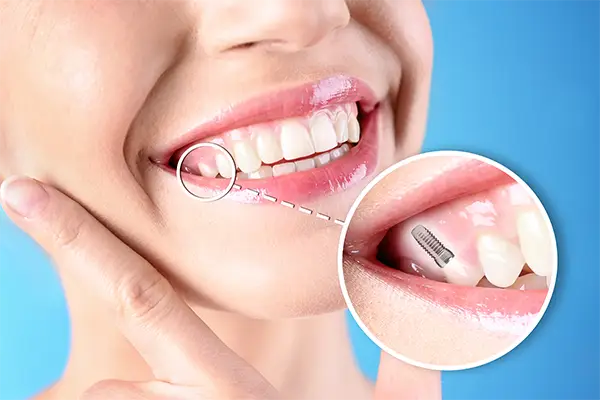 A missing tooth can create changes that affect your smile for many years. While the empty space may be the most noticeable concern, the effects of tooth loss continue beneath the gums. The root of each natural tooth plays an important role in maintaining the health and strength of the jawbone. When a tooth is lost, the bone that once supported the root no longer receives the same stimulation, which can lead to gradual deterioration. A missing tooth can create changes that affect your smile for many years. While the empty space may be the most noticeable concern, the effects of tooth loss continue beneath the gums. The root of each natural tooth plays an important role in maintaining the health and strength of the jawbone. When a tooth is lost, the bone that once supported the root no longer receives the same stimulation, which can lead to gradual deterioration.Dental implants provided by The Strongsville Center for Cosmetic & Implant Dentistry provide an advanced solution because they replace the missing tooth root as well as the visible portion of the tooth. This unique design allows implants to interact with the jawbone in a way that other tooth replacement options cannot. By restoring the connection between the replacement tooth and the bone, dental implants help maintain jaw strength, support facial structure, and protect long-term oral health. The Connection Between Teeth and Jawbone HealthNatural teeth and the jawbone work together as a supportive system. Each tooth root is surrounded by bone that helps anchor the tooth securely while allowing it to withstand normal chewing forces. When you eat, pressure from chewing travels through the tooth root into the jawbone. This stimulation encourages the body to maintain and rebuild bone tissue in the area. The jaw remains strong because it is constantly being used. When a tooth is removed, this connection is interrupted. Without the root to provide stimulation, the body begins to recognize that the bone is no longer needed in the same way. As a result, the bone gradually decreases in size and density. This process is a natural response, but it can create lasting changes if the missing tooth is not replaced. What Happens When Jawbone Begins to Shrink?Bone loss after tooth loss typically happens slowly, but its effects can become more noticeable over time. As the jawbone loses volume, it can affect the surrounding teeth, gums, and facial appearance. Some possible effects of jawbone deterioration include:
The jawbone provides important structural support for the lower face. When bone volume decreases significantly, the lips and cheeks may not receive the same level of support, which can contribute to a more aged appearance. Preventing unnecessary bone loss is an important part of maintaining a healthy, functional smile. How Dental Implants Mimic Natural Tooth RootsDental implants are different from other tooth replacement options because they replace the root portion of the missing tooth. The implant is a small post placed into the jawbone where the natural tooth root once existed. Over time, the surrounding bone bonds with the implant through osseointegration, creating a secure foundation. Once the implant has healed, a custom crown is attached to complete the restoration. The crown provides the appearance and function of a natural tooth, while the implant beneath the gums provides support similar to a tooth root. This combination allows dental implants to restore both the visible and structural components of a missing tooth. How Implant Stimulation Helps Maintain BoneOne of the biggest advantages of dental implants is their ability to stimulate the jawbone. When a person chews with an implant-supported tooth, the pressure created during normal function transfers through the implant and into the surrounding bone. This stimulation helps signal the body to continue maintaining the bone in that area. Without stimulation from a tooth root or implant, the body may continue reducing the bone because it is no longer actively supporting a tooth. By replacing the missing root, dental implants help create a more natural environment for the jawbone. This makes them especially beneficial for patients who want to preserve their oral health after tooth loss. Why Bridges and Dentures Do Not Prevent Bone LossDental bridges and dentures can provide effective solutions for replacing missing teeth, but they function differently from implants. A dental bridge replaces the visible portion of a missing tooth by attaching an artificial tooth to neighboring teeth. While bridges can restore appearance and chewing ability, they do not replace the tooth root. The bone beneath the bridge does not receive the same stimulation it would from a natural root or implant. Dentures replace multiple missing teeth and rest on the gums. Although they can improve smile appearance and daily function, they do not connect with the jawbone. Because they do not provide root stimulation, the bone underneath may continue to shrink over time. Dental implants provide a unique benefit because they replace the part of the tooth responsible for maintaining communication with the jawbone. Benefits of Preserving Jawbone With ImplantsMaintaining healthy bone can provide benefits that extend beyond implant stability. Preserved jawbone can help support:
By protecting the jawbone, dental implants help maintain the natural relationship between the teeth, gums, and facial structures. Many patients appreciate that implants not only fill the gap left by a missing tooth but also address some of the underlying effects associated with tooth loss. Are Dental Implants Possible After Bone Loss?Some patients worry that they may not qualify for dental implants if they have already experienced bone loss. While adequate bone support is important for implant placement, bone loss does not always prevent treatment. During an implant evaluation, the dentist will examine your oral health and use advanced imaging to assess the condition of your jawbone. If additional support is needed, procedures that rebuild or strengthen the bone may be recommended before implant placement. The best approach depends on the amount of bone available, the location of the missing tooth, and your overall dental health. Caring for Your Implant and Supporting Bone HealthDental implants require regular care to remain healthy. Although the replacement tooth cannot develop cavities, the surrounding gums and bone still need protection. To maintain your implant:
Healthy gums provide important protection for the bone supporting the implant. Routine dental visits allow your dentist to monitor the implant and surrounding tissues over time. Preserve the Foundation of Your Smile With Dental ImplantsTooth loss affects more than the appearance of your smile. Without a tooth root, the jawbone loses the stimulation it needs to maintain strength and stability. Over time, this can lead to bone deterioration, changes in facial structure, and challenges with future dental treatment. Dental implants help prevent these problems by replacing the missing tooth root and restoring stimulation to the jawbone. Their ability to integrate with the bone allows them to provide a stable, natural-feeling solution while supporting long-term oral health. If you are missing a tooth or are facing tooth loss, discussing dental implants with our team at The Strongsville Center for Cosmetic & Implant Dentistry can help you understand how this treatment may protect your smile. By replacing both the tooth and its root, dental implants help preserve the foundation that keeps your smile healthy for years to come. Contact us at (440) 580-1028. |

Contact Information11925 Pearl Rd #206 Strongsville, OH 44136-3343 (440) 580-1028 info@drweiser.com Follow Us |
