
Invisalign vs Braces
Strongsville, Ohio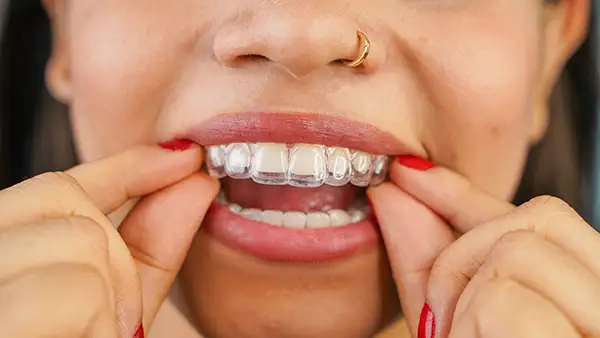 Choosing orthodontic treatment is an important decision that can shape both your smile and your oral health for years to come. Two of the most common options today are traditional braces and Invisalign clear aligners. While both treatments are designed to straighten teeth and correct bite concerns, they use different appliances and approaches to achieve similar goals. We offer both Invisalign and braces at The Strongsville Center for Cosmetic & Implant Dentistry. Choosing orthodontic treatment is an important decision that can shape both your smile and your oral health for years to come. Two of the most common options today are traditional braces and Invisalign clear aligners. While both treatments are designed to straighten teeth and correct bite concerns, they use different appliances and approaches to achieve similar goals. We offer both Invisalign and braces at The Strongsville Center for Cosmetic & Implant Dentistry.Understanding The Science Behind Tooth MovementTeeth may appear firmly fixed in place, but they are actually capable of movement throughout your life. Each tooth sits in a socket within the jawbone and is supported by the periodontal ligament, a network of fibers that cushions the tooth and allows slight motion. When orthodontic appliances apply gentle, steady pressure, this ligament responds by triggering a biological process in the surrounding bone. As pressure is applied, bone on one side of the tooth gradually breaks down, while new bone forms on the opposite side. This natural response allows teeth to shift safely into improved alignment. Both braces and Invisalign rely on this same biological principle, guiding tooth movement in a controlled and predictable way. How Traditional Braces WorkTraditional braces use a system of brackets and wires to move teeth into proper position. Small brackets are bonded to the surface of each tooth and connected by an archwire. This wire is carefully shaped to apply consistent pressure, encouraging teeth to move over time. As treatment progresses, the orthodontist adjusts or replaces the wire to continue guiding movement. Additional components such as elastic bands or springs may be used to address specific concerns, including bite alignment, spacing, or crowding. Because braces are fixed in place, they work continuously without requiring daily removal or replacement. This makes them a reliable option for a wide range of orthodontic needs, from mild misalignment to more complex bite concerns. How Invisalign Clear Aligners WorkInvisalign uses a series of clear, removable aligners instead of brackets and wires. Each aligner is custom-designed to fit snugly over your teeth and apply targeted pressure. Over time, this pressure moves teeth in small, controlled increments. Patients switch to a new aligner every one to two weeks, with each tray representing the next stage of movement. Because aligners are removable, patients take them out for eating, brushing, and flossing. For treatment to stay on track, aligners must be worn consistently, typically 20 to 22 hours per day. Invisalign offers a discreet appearance and added convenience, but success depends heavily on patient compliance. Comparing Effectiveness And Treatment CapabilitiesBoth Invisalign and braces are effective orthodontic treatments, but they may be better suited for different situations. Traditional braces are often recommended for complex alignment issues, significant bite corrections, or cases requiring precise control of tooth movement. The fixed nature of braces allows the orthodontist to make detailed adjustments throughout treatment. Invisalign is commonly used for mild to moderate alignment concerns, including spacing, crowding, and minor bite issues. Advances in aligner technology have expanded the range of cases Invisalign can address, but not every situation is ideal for clear aligners. An orthodontic evaluation helps determine which option aligns best with your specific needs. What To Expect During TreatmentTreatment length varies depending on the complexity of your orthodontic concerns and the appliance used. Many patients complete treatment within 12 to 24 months, though some cases may take longer. With braces, regular office visits every four to eight weeks allow for adjustments and progress checks. Invisalign patients often have fewer in-office visits, as much of the progression occurs through scheduled aligner changes at home. Periodic check-ins ensure teeth are moving as planned and allow for refinements if needed. Mild soreness or pressure is common with both treatments, particularly when adjustments are made or a new aligner is introduced, but this typically subsides within a few days. Oral Hygiene With Invisalign Vs BracesMaintaining oral hygiene during orthodontic treatment is essential for protecting your teeth and gums. Braces require extra attention, as food and plaque can collect around brackets and wires. Careful brushing, flossing with specialized tools, and routine dental visits help reduce the risk of plaque buildup and enamel changes. Invisalign offers an advantage in this area because aligners are removable. Patients can brush and floss normally without navigating around fixed appliances. However, it is important to clean your teeth before reinserting aligners to avoid trapping bacteria against the enamel. Aligners themselves should also be cleaned regularly to maintain freshness and clarity. Lifestyle Considerations And Daily ComfortLifestyle factors often influence the choice between Invisalign and braces. Traditional braces remain in place at all times, which means patients must be mindful of certain foods and habits that could damage brackets or wires. Clear aligners provide more flexibility, allowing patients to remove them for meals and special occasions. Comfort levels can vary as well. Braces may cause temporary irritation to the cheeks or lips, especially after adjustments. Invisalign aligners are smooth and typically cause less soft tissue irritation, though some patients notice pressure when switching to a new set. The Role Of Retainers After TreatmentRegardless of whether you choose Invisalign or braces, retainers play a vital role after active treatment is complete. Once teeth are aligned, they need time to stabilize in their new positions. Retainers help prevent unwanted shifting while bone and surrounding tissues adapt. Most patients wear retainers full time for several months, then transition to nighttime wear. Sometimes a fixed retainer may be recommended; these are placed behind the front teeth for added stability. Consistent retainer use helps protect the results achieved through orthodontic care. Choosing The Right Option For Your SmileInvisalign and traditional braces both offer effective paths to straighter teeth and improved alignment. The right choice depends on factors such as treatment goals, lifestyle preferences, and the complexity of your orthodontic needs. Our orthodontic team can evaluate your smile and recommend an approach that supports long-term oral health and confident results. Understanding how each appliance works allows you to take an active role in your orthodontic journey. With proper planning, guidance, and commitment, both Invisalign and braces can deliver lasting improvements that support a healthier, more confident smile. |

Contact Information11925 Pearl Rd #206 Strongsville, OH 44136-3343 (440) 580-1028 info@drweiser.com Follow Us |
